




How digital freight management is transforming international shipping
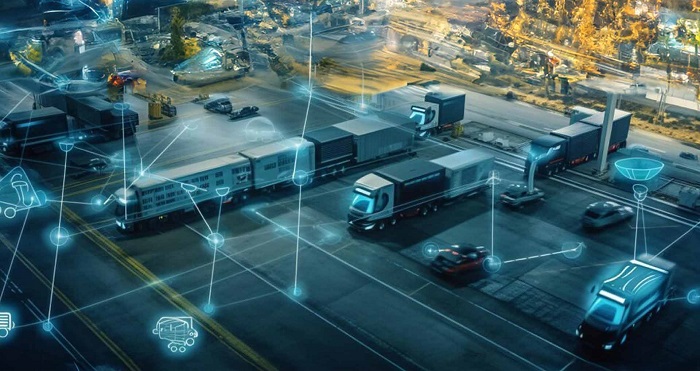
International shipping involves thousands of daily interactions between manufacturers, carriers, ports, and logistics providers. Each shipment generates transportation records, scheduling information, and operational updates that businesses need to manage effectively. Digital freight management is changing how companies organize these activities by making logistics information more accessible. Platforms such as https://www.qubictron.com/ provide tools for working with shipment tracking, transportation schedules, and logistics data. As global trade becomes increasingly connected, digital solutions are becoming an important part of freight operations.
Moving Beyond Traditional Freight Processes
Freight management has traditionally involved extensive communication through emails, spreadsheets, and individual carrier websites.
Although these methods remain common, they can become difficult to manage when companies handle shipments across several countries and transportation networks.
Digital platforms help organize information within more consistent workflows, allowing employees to access relevant transportation records without switching between numerous disconnected sources.
This creates opportunities for logistics teams to spend more time coordinating shipments and less time collecting information.
Connecting Different Stages of Transportation
International freight involves several activities that must work together.
Cargo needs to be prepared, transportation services booked, shipping documents completed, and delivery arrangements coordinated.
Digital freight management tools can support these processes by providing access to:
- Vessel schedules and shipping routes.
- Container and cargo tracking information.
- Estimated transportation timelines.
- Shipment milestones and status updates.
- Data integration with business applications.
The value of these capabilities depends on how effectively they fit into existing operational processes.
Why Software Integration Matters
Many logistics companies already use transportation management systems, warehouse applications, and enterprise resource planning software.
Modern APIs allow transportation data to be incorporated into these systems rather than managed separately.
For example, a freight forwarder can connect available shipment tracking information with its internal order records.
This helps employees access transportation events alongside customer details and delivery requirements.
However, successful integration also requires accurate shipment references, consistent data formats, and appropriate error handling.
Technology as Part of Everyday Logistics
Digital freight management is not simply about replacing manual processes with software.
Its broader purpose is to make international transportation information easier to access, organize, and apply.
Businesses that combine practical technology with clear operational procedures can improve coordination across carriers, warehouses, and customers.
As global trade networks continue evolving, connected freight management systems will remain an important component of modern logistics operations.
Hello!! My name is Jeanine
I love to eat, travel, and eat some more! I am married to the man of my dreams and have a beautiful little girl whose smiles can brighten anyone’s day!