




Cracks in exterior house walls: when is professional repair necessary, advice from Elevate Pro Construction
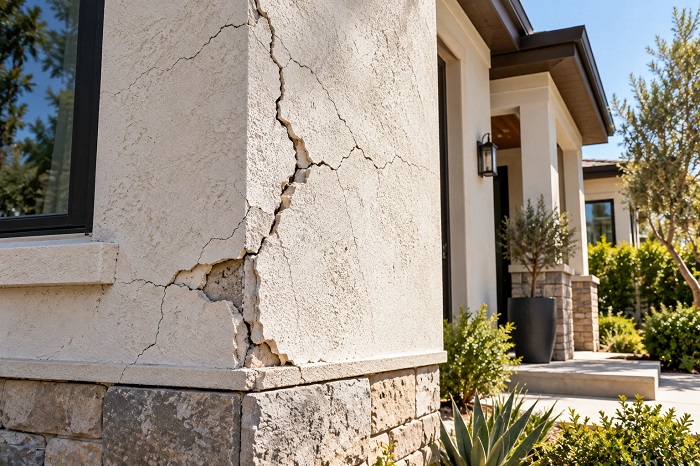
Cracks in exterior walls are a common concern for homeowners throughout Los Angeles and Southern California. While some cracks are minor cosmetic imperfections, others may indicate moisture intrusion, building movement, or underlying structural problems. Understanding the difference can help prevent expensive repairs and protect the long-term condition of your property. Elevate Pro Construction provides construction, renovation, and structural repair services, helping homeowners identify building issues and plan appropriate improvements.
Why Do Cracks Appear in Exterior Walls?
Exterior wall cracks can develop for several reasons. Some are related to normal material behavior, while others result from environmental conditions, construction defects, or structural movement.
In Southern California, stucco is a widely used exterior finish. Small cracks may develop as cement-based materials cure, shrink, or respond to temperature changes. These imperfections do not automatically indicate serious structural damage.
However, cracks may also result from foundation settlement, soil movement, inadequate drainage, or deterioration of building materials.
Earthquakes and other ground movements can also affect wall surfaces and structural components. Properties with aging foundations or previous construction issues may be more vulnerable to certain types of damage.
Identifying the actual cause is essential because covering a crack without addressing the underlying problem may only provide a temporary cosmetic improvement.
Warning Signs That Require Professional Attention
Not every exterior crack requires extensive repairs. However, certain conditions suggest that a professional assessment should be scheduled.
Homeowners should pay particular attention to the following warning signs:
- Cracks that continue to widen: Progressive changes may indicate ongoing movement or deterioration.
- Diagonal or stair-step cracks: Cracks extending through masonry joints or around openings may warrant structural evaluation.
- Cracks accompanied by sticking doors or windows: These symptoms together may suggest movement within the building.
- Bulging, loose, or separating exterior materials: Damaged stucco or masonry can present safety and moisture-related concerns.
- Water stains or damp areas near cracks: Visible moisture may indicate that water is entering the wall assembly.
If cracks appear suddenly after an earthquake or are accompanied by significant displacement, homeowners should arrange a prompt assessment by a qualified professional.
Recognizing potential warning signs early can reduce the risk of further deterioration.
Cosmetic Cracks vs. Structural Cracks
Understanding the difference between cosmetic and potentially structural damage is essential when deciding how to proceed.
Cosmetic cracks generally affect surface finishes rather than the structural elements beneath them. Small hairline cracks in stucco, for example, may result from normal shrinkage or minor movement.
When the surrounding materials remain stable and there is no evidence of water intrusion, localized maintenance or surface repair may be sufficient.
Structural cracks, however, may be associated with movement in foundations, masonry walls, or load-bearing components. These conditions require closer investigation because the source of the problem may extend beyond the visible surface.
The width of a crack alone does not establish whether it is dangerous. Its location, pattern, rate of growth, and relationship to other building symptoms are also important.
When structural damage is suspected, a licensed structural engineer may be needed to determine the cause and recommend appropriate corrective work.
How Professional Exterior Wall Repair Works
The correct repair method depends on the type of wall, the extent of the damage, and the underlying cause.
Professional repair generally begins with an inspection of the affected area. The contractor evaluates visible cracks, surrounding finishes, drainage conditions, and signs of moisture damage.
For minor stucco cracking, repairs may involve preparing the affected surface, applying compatible repair materials, and restoring the exterior finish. Proper material selection is important to reduce the likelihood of premature deterioration.
More extensive damage may require removal and replacement of deteriorated stucco, repair of the underlying water-resistive barrier, or correction of damaged wall components.
If foundation settlement or structural movement is identified, the required solution may involve engineering assessment and repairs to the affected structural elements before exterior finishes are restored.
Simply painting over a crack is not always an effective solution. Without correcting moisture problems or ongoing movement, cracks may return.
How to Prevent Exterior Wall Damage
Preventive maintenance can help homeowners identify potential problems before they develop into larger repairs.
Regular exterior inspections are particularly useful after heavy rain, seismic activity, or major changes around the property.
Pay attention to drainage systems, roof runoff, exterior sealants, and flashing around windows and doors. Poor drainage can contribute to moisture accumulation near foundations and exterior walls.
Keeping gutters and downspouts functioning properly can help direct water away from vulnerable areas. Maintaining appropriate grading around the property may also reduce exposure to excess surface water.
Exterior finishes should be maintained according to their material requirements. Stucco, masonry, and other cladding systems have different repair and maintenance needs.
Addressing small defects before moisture or deterioration spreads can help extend the service life of exterior wall systems.
Why Timely Exterior Repairs Matter
Ignoring exterior wall damage can lead to additional problems over time.
Even relatively small openings may allow moisture to enter wall assemblies, especially around poorly sealed penetrations and damaged flashing. Depending on the construction, persistent moisture exposure can contribute to deterioration of sheathing, framing, insulation, and interior finishes.
Unresolved structural movement can also cause repaired surfaces to crack again.
A professional evaluation helps homeowners understand whether the issue requires routine maintenance, targeted reconstruction, or a more extensive structural solution.
Investing in appropriate repairs at the right time can protect the appearance, functionality, and long-term value of a home.
Schedule an Exterior Wall Assessment with Elevate Pro Construction
Exterior wall cracks should never be judged by appearance alone. Understanding their cause is the first step toward selecting an effective repair method.
Elevate Pro Construction offers remodeling, exterior improvement, and structural repair services throughout Los Angeles and surrounding areas. Whether your property needs stucco repairs, damaged material replacement, or more extensive construction work, the company can help evaluate the project and discuss suitable repair options.
Contact Elevate Pro Construction to schedule a consultation and take the next step toward maintaining a safe, attractive, and well-protected home.
Hello!! My name is Jeanine
I love to eat, travel, and eat some more! I am married to the man of my dreams and have a beautiful little girl whose smiles can brighten anyone’s day!