




How businesses organize ocean freight shipments across global trade routes
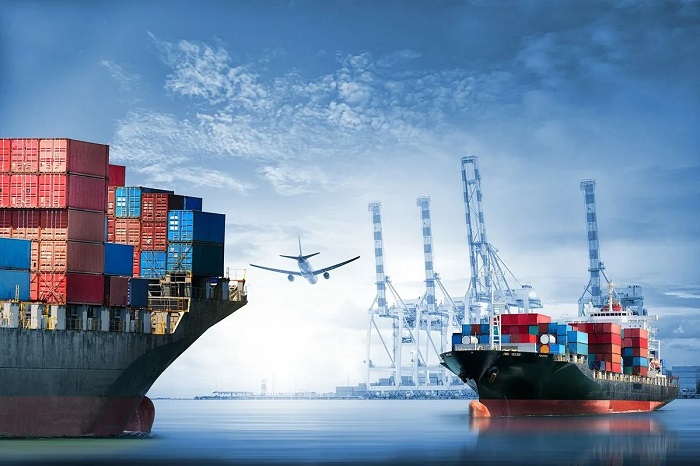
Moving commercial goods across the ocean requires coordination long before a container reaches the departure port. Exporters must prepare cargo, freight forwarders arrange transportation, and shipping lines allocate space on vessels operating between international destinations. Access to reliable transportation information plays an important role in this process. Logistics resources such as https://www.qubictron.com/ help businesses review shipping schedules, follow container movements, and work with freight-related data. Understanding how ocean freight planning works allows importers and exporters to organize transportation more effectively.
Choosing a Suitable Shipping Route
The first major decision involves selecting how cargo will travel between its origin and destination.
Shipping lines operate services connecting major ports, sometimes with intermediate stops or transshipment connections.
A direct service may offer fewer cargo transfers, while a transshipment route can provide additional departure options or access to destinations without direct vessel connections.
Freight forwarders evaluate available services according to cargo requirements, transit times, sailing frequency, and commercial conditions.
The shortest route is not necessarily the most suitable option for every shipment.
Preparing Cargo Before Vessel Departure
Successful ocean freight transportation depends on completing several activities before the scheduled sailing.
Exporters must prepare goods, select appropriate container equipment, and arrange transportation to the loading terminal.
Shipping documentation also needs to be completed according to carrier and customs requirements.
Important preparations include:
- Confirming cargo dimensions and weight.
- Selecting container equipment.
- Completing commercial shipping documents.
- Arranging inland transportation.
- Meeting terminal and documentation cut-off times.
These steps help ensure cargo is ready for the booked sailing.
Coordinating Port and Inland Operations
Ocean transportation is only one part of a container shipment.
Once the vessel reaches its destination, containers must be discharged and processed according to terminal and customs requirements.
Importers then arrange cargo collection and delivery to warehouses or distribution facilities.
Communication between freight forwarders, trucking companies, and warehouse operators is necessary to coordinate these activities.
Arrival estimates and shipment milestones provide useful context for planning the next transportation stage.
The Importance of Transportation Information
Ocean freight planning depends on information from multiple participants.
Vessel schedules indicate planned transportation movements, while container records confirm completed shipment events.
Transit time information can help businesses evaluate route options and establish realistic delivery expectations.
These different data sources support decisions before, during, and after the ocean voyage.
Companies that maintain organized transportation records can coordinate shipping activities more consistently across international trade routes.
Building an Effective Freight Planning Process
International container transportation involves numerous operational decisions, from selecting a carrier to arranging final cargo delivery.
Effective planning requires a combination of appropriate routes, accurate documentation, reliable partners, and accessible shipment information.
By connecting these elements, businesses can create more organized freight operations and maintain better coordination throughout the transportation process.
Hello!! My name is Jeanine
I love to eat, travel, and eat some more! I am married to the man of my dreams and have a beautiful little girl whose smiles can brighten anyone’s day!