



Selling gold jewelry: rules for valuation, fineness, pricing, and secure transactions.
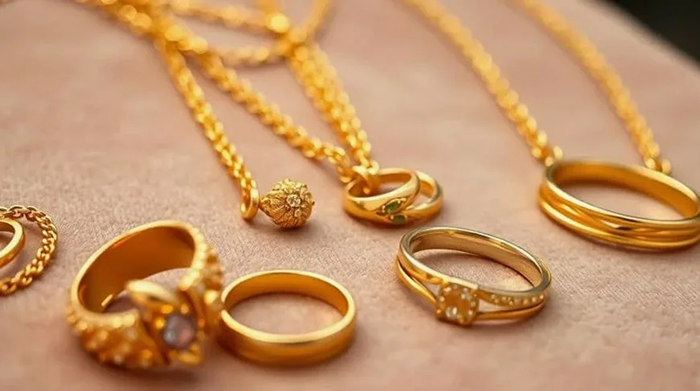
Gold jewelry remains one of the most popular ways to preserve value and showcase personal style; however, when buying or selling, it is important to understand key factors such as fineness, weight, alloy composition, and the presence of gemstone settings.
These details directly influence the item’s value, durability, and liquidity, while also helping you avoid overpaying or making valuation errors.
Before selling https://luxebrokersgroup.com/sell/gold-beverly-hills/, consider where you plan to offload the item—whether at a pawnshop, to a gold buyer, through a consignment shop, or via a private sale—and how factors like documentation, condition, and provenance might affect the price. To prepare for the transaction, it is helpful to review information about gold jewelry on our website; this allows you to compare terms, valuation criteria, and common practical nuances.
How to determine fineness and authenticity using hallmarks
The fineness and authenticity of a gold item are usually confirmed by hallmarks: the assay mark, the manufacturer’s mark, and sometimes additional markings (such as those found on imported jewelry). Start with a close inspection: hallmarks are typically placed in inconspicuous spots—on the inside of a ring, the chain clasp, the pendant bail, or the bracelet catch.
Evaluate the hallmark in conjunction with the item’s overall quality. A crisp, well-defined stamp, legible fineness figures, and neat placement are all indicators of factory-made quality.
At the same time, an overly “perfect” hallmark on a clearly worn piece of jewelry should also raise suspicions: sometimes markings are reapplied to make an item appear more valuable.
What to look for when examining hallmarks
First, locate the numerical fineness mark (e.g., 585, 750, 999); this indicates the proportion of pure gold in the alloy. Next, check for the maker’s mark (manufacturer’s stamp); ideally, it should be a distinct impression that looks appropriate in terms of size and placement. If there are multiple hallmarks, compare their depth and the nature of the stamping: authentic impressions usually show a similar degree of indentation and wear.
- Blurred hallmark outlines can result from natural wear but may also indicate a crude forgery.
- Misalignment or a “crooked” impression is acceptable, especially on delicate elements, but a severely distorted marking warrants further inspection.
- A discrepancy between the stated fineness and visual characteristics (color, hardness, coating behavior) is grounds for suspicion.
Signs of wear and inconsistencies that reveal a fake
Signs of wear can aid in authenticity assessment if they appear natural and are consistent with the jewelry’s age and type. On genuine gold, scuffing typically manifests as smoothed edges and micro-scratches, particularly on raised areas. However, if areas of a different metal color are visible beneath the top layer, this often indicates gold plating or a surface coating.
Check the areas most prone to wear: the inside of a ring, the edges of links, clasp edges, and points of contact with the skin. On plated items, this is precisely where “worn spots” revealing a darker or grayish base metal may appear. Also, pay attention to soldering and repairs: uneven color at the seams, rough blobs, porosity, or solder residue may suggest tampering—or sometimes an attempt to conceal replaced parts.
- Inconsistent wear patterns: a hallmark that looks “like new” while the surface is heavily worn is suspicious.
- Unnatural peeling or flaking: this is atypical for solid gold and usually indicates a coating.
- Structural weaknesses: an overly soft clasp, deformation of delicate elements, or “springy” wire may indicate a different alloy.
- Magnetic reaction: noticeable attraction to a magnet almost always indicates the presence of a foreign base metal (an indirect but useful indicator).
If the hallmarks raise doubts and the wear patterns seem inconsistent, do not rely solely on a visual assessment; for resale purposes, it is safer to have the metal verified by a professional (such as at a pawn shop, jewelry workshop, or assay office). This is particularly important when the price depends on the metal’s purity and weight, and the item shows signs of repair or contains mixed materials.
Hello!! My name is Jeanine
I love to eat, travel, and eat some more! I am married to the man of my dreams and have a beautiful little girl whose smiles can brighten anyone’s day!