



Why the dryer does not heat: causes of malfunctions and solutions
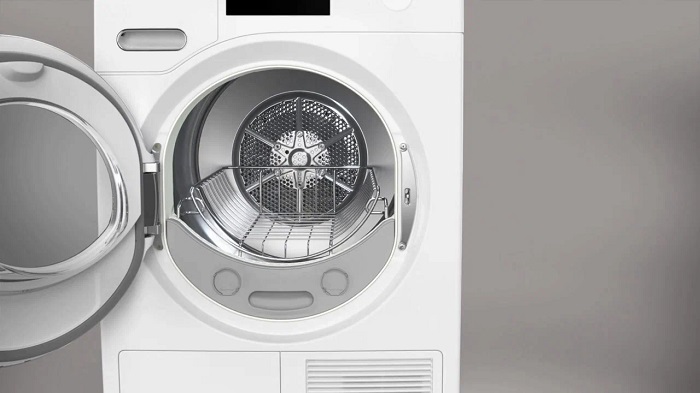
When a dryer stops heating properly, laundry remains damp, the cycle takes longer, and energy consumption increases. The causes can range from clogged filters and ducts to faulty heating elements, thermostats, temperature sensors, or power supply issues. It’s important to quickly identify the source of the problem to avoid overheating, repeated shutdowns, and more expensive breakdowns; learn more about appliance repair on mannyappliances.com.
In this article, we’ll cover the main symptoms of insufficient heating, typical malfunctions, and practical troubleshooting steps—from simple checks and cleaning to cases requiring diagnostics and replacement. We’ll also discuss how to proceed safely and when it’s best to contact a specialist; learn more about appliance repair on mannyappliances.
Drying is running, but the air remains cold: open circuit in the heating element
When the dryer drum rotates and the programs run according to schedule, but the air coming out remains cold, one of the typical causes is an open circuit in the heating element. In this case, the motor and electronics may operate normally, but the heating circuit is not receiving voltage, or the electrical circuit is open in one section.
Most often, the problem manifests itself as “drying without heat”: items remain damp, the cycle drags on or completes without error, and the internal temperature barely rises. It’s important to understand that an “open circuit” isn’t just a burned-out heating coil, but also any defects in the power supply, including protective elements and connections.
Where does an open circuit occur and how is it detected?
The heating circuit typically includes the heating element itself, thermal fuse(s), thermostats/sensors, relay or control triac, connectors, and wiring. If any element loses contact or fails, power does not reach the heater, and the air remains cold even if the mechanics are working properly.
- Burned heating element (broken coil): the heater stops conducting electrically, and heating is impossible.
- Triggered/burnt thermal fuse: the circuit opens as an overheating protection, most often due to clogged filters, poor ventilation, or a clogged heat exchanger.
- Poor contact in terminals and connectors: burning, oxidation, or loosening leads to a power failure under load.
- Wiring damage: broken wire, worn insulation, localized overheating of a section of the harness.
- Control element failure (relay/triac on the board): there is a heating command, but the power section does not close the circuit. Heating element.
Diagnostics consists of a sequential check of the circuit: from the heating power input through the protective elements to the heating element contacts. A break is detected by measuring resistance and checking the continuity of sections, as well as inspecting the connectors for traces of carbon deposits and darkening.
Troubleshooting and Preventing Recurrence
The repair method depends on the break point: if the heating element coil breaks, the entire element is replaced; the thermal fuse must be replaced with one with a similar trip temperature; the connectors and wiring must be repaired or replaced with a secure crimping and proper terminal seating. If the power switch on the board does not close, repair or replace the relay or power element, since the heating will not turn on without proper control.
- Disconnect the machine from the power supply and ensure access to the heating unit and connections.
- Check the filters and air ducts: clogs are often the primary cause of overheating and protection tripping.
- Inspect the terminals on the heating element and protective elements: melting and carbon deposits indicate a need to replace the connector/contact group.
- Replace the faulty element (heating element/thermal fuse/wiring section/relay) and restore the contact connections.
- Test run: ensure that the air has warmed up and the temperature is rising without any smell of overheating.
To prevent recurring open circuits in the heating element’s power supply, it is important to regularly clean the lint filter and monitor Provide free ventilation and avoid overloading the dryer with laundry. At the first sign of decreased drying efficiency, it’s a good idea to check for a decrease in airflow, as overheating and high contact resistance on https://mannyappliances.com/ are the most common causes of a broken heating circuit.
Hello!! My name is Jeanine
I love to eat, travel, and eat some more! I am married to the man of my dreams and have a beautiful little girl whose smiles can brighten anyone’s day!