




The boiler does not heat: reasons for the breakdown and methods for self-repair
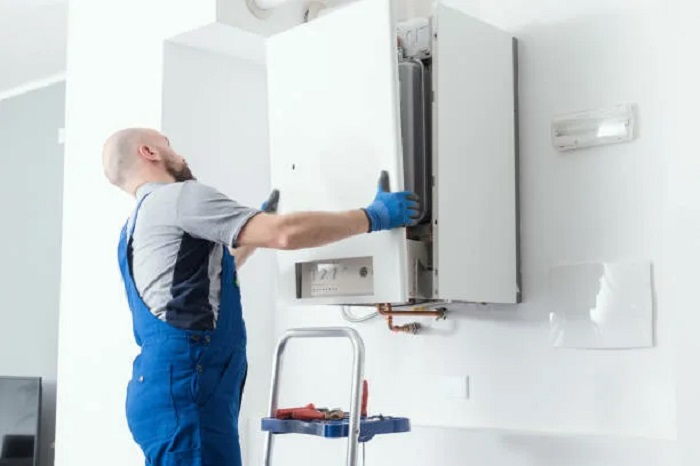
When a boiler stops heating water, it’s almost always due to either a power outage or a malfunctioning heating element, thermostat, or safety systems. It’s important to proceed sequentially, starting with simple checks and progressing to more complex ones, to avoid worsening the problem and causing a leak or short circuit.
Before any work, disconnect the boiler from the power supply and shut off the water supply. If necessary, relieve the pressure through the safety valve. If you’re unsure of your skills, it’s safer to call a professional, such as Plumber Calgary, to ensure diagnostics and repairs don’t damage the tank or electrical system.
How to troubleshoot: step-by-step inspection
- Check the power: is the circuit breaker on, is the RCD tripped, is the outlet working (connect another appliance). If you smell something burning or the plug or socket becomes hot, stop using the appliance.
- Check the settings: is the temperature control adjusted? Is the low-temperature economy mode enabled? Is the indicator light on/working correctly?
- Reset the thermal protection: If your model has a reset button, locate it under the cover (after disconnecting the power) and reset it. If the protection trips repeatedly, there may be a problem with the heating element, thermostat, or scale.
- Assess the symptoms:
- the water is lukewarm and cools quickly – this could be scale buildup, incorrect settings, or partial destruction of the heating element;
- it doesn’t heat at all and trips the RCD – this could be a current leak on the housing due to a breakdown in the heating element;
- it heats very slowly – this could be a thick layer of scale.
- Check the hydraulics: make sure cold water is entering the boiler, the shut-off valves are open, and the faucet aerator is not clogged. If the water pressure is low, clean the filters and screens.
- Diagnosing the heating element and thermostat: a multimeter and understanding of the circuit diagram are required. If you are inexperienced, it is better not to open the appliance: incorrect connections and poor flange sealing can lead to leaks and electric shock.
- Descaling and preventative maintenance: During maintenance, the tank and heating element are usually cleaned, the magnesium anode and gaskets are checked and replaced if necessary, and the flange and contacts are inspected.
When is it best to stop and call a technician: if the RCD/circuit breaker trips, there is a burning smell, traces of melting are visible, there is a leak from under the flange, and also if you suspect a breakdown of the heating element or damage to the wiring.
Symptom
Probable cause
What can be done
Indicators are not lit
No power, problem with Socket/circuit breaker
Check the circuit breaker, RCD, socket, and cable
The RCD trips
Current leakage, heating element breakdown
Turn off the boiler; the heating element needs diagnostics and replacement
Heats slowly
Limescale on the heating element, low voltage
Maintenance and cleaning, check the network
The water cools down quickly
Incorrect settings, thermostat problems, tank insulation
Check the temperature, replace if necessary Thermostat
Weak hot water pressure
Clogged filters/aerator, valves
Rinse filters, clean aerator, check valves
Prevention: Regular descaling, timely replacement of the magnesium anode, monitoring the condition of valves and connections, and a stable power supply significantly increase the service life of the boiler and reduce the risk of sudden lack of hot water.
No power: circuit breaker, RCD, plug, socket, cable
If the boiler is not heating, first rule out a power failure: if the circuit breaker is broken or tripped, heating will not start even if the heating element and thermostat are working properly.
Checking is performed in a chain from the control panel to the boiler, recording the results at each Step. All work in the panel and with exposed conductors should only be performed with the power disconnected; if in doubt, it’s safer to call an electrician.
What to check and how to fix it
- Circuit breaker: If tripped, turn it on and observe. If it trips again, there may be an overload, short circuit, cable damage, or a boiler malfunction; line and device diagnostics are required.
- RCD/RCBO: If it trips, there may be a leak on the housing (moisture, a heating element breakdown, or insulation damage). Press TEST (the RCD should trip when turned on), then turn it back on. If the RCD trips repeatedly, do not use the boiler until the cause is determined.
- Plug: Inspect for melting, darkening, a burning smell, or loose contacts. Replace the plug if there are signs of overheating. Temporary “tightening” of contacts is unacceptable.
- Socket: Check for voltage, contact quality, and heating under load. Replace a melted or sparking socket; for a boiler, a separate line and a working socket with reliable terminals are preferable.
- Cable and connections: Look for kinks, chafing, signs of heating, twists, and loose terminals. Replace the damaged section completely disconnect the boiler or make the correct connection in the terminal box/disconnector.
- Boiler terminal block: With the power disconnected, tighten the terminal screws, remove any burnt terminals, and replace any damaged wires/terminals. Burnt contacts are a common cause of power outages.
Bottom line: If there is no stable power supply at the boiler input, there will be no heating. Check the circuit breaker, RCD, plug, socket, cable, and terminals in sequence. If the circuit breaker trips repeatedly, or there are signs of overheating or damaged insulation, stop operation and repair the line/boiler, observing electrical safety regulations.
Hello!! My name is Jeanine
I love to eat, travel, and eat some more! I am married to the man of my dreams and have a beautiful little girl whose smiles can brighten anyone’s day!