



Safely opening a car without damage and advice to owners
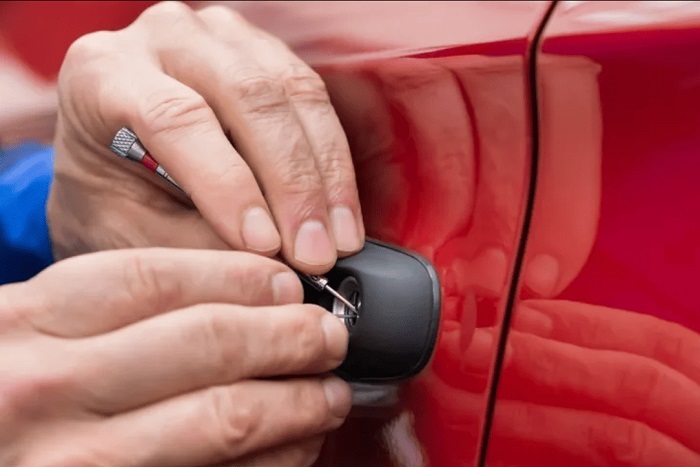
Losing keys or accidentally locking doors is a situation in which it is important to act calmly and legally. Incorrect opening attempts can damage the lock, seals, glass, electrical and security systems, as well as lead to unnecessary expenses.
A safe approach begins with an assessment of the circumstances: where the vehicle is located, whether there is a risk to people (for example, a child or animal inside), what tools are available and what methods are acceptable without tampering with the structure. In most cases, the priority is not to “open at any cost,” but to preserve the integrity of the car and confirm ownership with car key replacement Etobicoke.
How to make sure you have the right to access the car and prepare documents before any action
Before any attempts to open the vehicle, it is important to confirm the legal right to access it. This protects the owner, performer and others from mistakes, conflicts and legal consequences.
Even if the situation seems obvious (the keys are inside, the battery is dead, the lock is jammed), you should act only after checking the documents and recording the reasons for access. This rule is equally relevant for independent actions and for calling a specialist.
Access rights check and set of documents
The minimum task is to prove that you are the owner/legal user or acting on his behalf, and that the car is really yours (or legally transferred to you).
- Identity document (passport/driver’s license).
- Documents for the car (STS; if available – PTS/electronic information, purchase and sale agreement, acceptance certificate).
- Confirmation of legal use if you are not the owner (power of attorney, rental/leasing agreement, corporate assignment, order/waybill – depending on the situation).
- Confirmation of the “you-car” connection, if the documents were left inside: photos/scans in the phone, data from the personal account of the insurer/government services, a second set of documents from relatives/office (if possible).
If the documents are inside the cabin, do not try to “speed up” the process by force. First, organize alternative confirmation of access rights: request copies from the owner, find digital versions, involve a company representative or relative who can confirm the right of use.
- Check the data: license plate number, VIN (if available), make/model, full name on documents and your details.
- Prepare evidence: open on your phone a photo of the STS/policy, correspondence about the transfer of the car, lease agreement/power of attorney.
- Determine the reason for the opening: loss/breakage of the key, locked in the car, low battery, locking the lock.
- Fix the condition of the car before action: photos of doors, locks, windows, visible damage (if any).
- Choose a safe scenario: if in doubt, call a specialized specialist and/or check the procedure with law enforcement agencies/parking security service.
Bottom line: Safe opening begins not with tools, but with confirmation of legal access. Prepared documents and recording of circumstances reduce the risk of damage, claims and legal problems, and also help to quickly and correctly resolve the situation.
Hello!! My name is Jeanine
I love to eat, travel, and eat some more! I am married to the man of my dreams and have a beautiful little girl whose smiles can brighten anyone’s day!