




Step-by-step guide to ice maker repair: tips and tricks
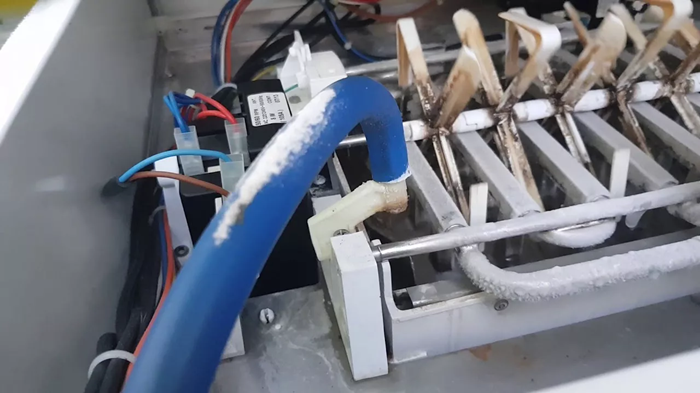
Ice machine repair is essential for maintaining its efficiency and longevity. To avoid costly breakdowns and ensure trouble-free operation, strictly adhere to maintenance procedures and promptly address any problems that arise.
This article provides helpful tips on repairing and operating your equipment, as well as how to select the right parts and perform DIY repairs. Learn more about repairs at https://larefrigeration.com/commercial/ice-machine-repair/.
Ice Machine Troubleshooting: A Step-by-Step Guide
Before beginning diagnostics, it is important to ensure safety and disconnect the unit from the power source. Inspect the exterior of the ice machine for visible damage, signs of leaks, or contamination. Have the necessary tools ready to quickly and accurately analyze the system’s operation.
Common ice maker problems include improper operation of the master cylinder, insufficient ice production, or poor ice quality. The next step is to systematically check key components, such as the thermostat, heating element, and sensors. Progressively diagnose each element to determine the source of the problem.
Steps for Diagnosing Basic Problems
- Checking the Power: Ensure the unit is plugged in and has power. Use a multimeter to verify the presence of power at the unit’s input.
- Inspecting the Cooling System: Check for dirt or blockages in the filters and vents. Ensure the compressor is turning on and operating properly, without noise or overheating.
- Temperature Sensor Diagnostics: Measure the sensor readings and replace or adjust them if necessary to ensure proper operation.
- Checking the Controls: Test the operation of the thermostat and the ice maker’s automatic controls. If necessary, use a multimeter to determine the circuit’s functionality.
- Additional Checks: If the problem persists, we recommend contacting a specialist for more in-depth testing to determine the cause, whether repair or replacement is required.
Effectively Clearing Clogs and Blockages in the Water Supply System
Clogs and blockages in the ice maker’s water supply system can significantly reduce its efficiency and lead to breakdowns. Regular maintenance and prompt removal of blockages help keep the unit operating optimally and extend its lifespan.
To prevent and clear clogs, it is necessary to follow certain rules and use the correct tools. It is important to have the necessary tools for flushing the system and know the correct procedure if a problem is detected.
Basic Recommendations for Clearing Blockages and Clogs
- Checking Filters – Regularly clean filters and screens to prevent debris and contaminants from entering the water supply system.
- Using Specialized Products – Use system-safe cleaning products to flush out the channels and remove scale and stubborn buildup.
- Manually Cleaning Channels – If a blockage occurs, carefully remove the obstruction with soft tools, avoiding damage to the pipes.
- Flushing and Disinfection – Regularly flush the channels to prevent deposits and bacterial growth.
Efficiently managing blockages and clogs is essential for reliable ice maker operation and high-quality ice. Following simple maintenance guidelines and promptly responding to repairs will help prevent serious breakdowns and ensure a long service life for your equipment.
Hello!! My name is Jeanine
I love to eat, travel, and eat some more! I am married to the man of my dreams and have a beautiful little girl whose smiles can brighten anyone’s day!