




Painting drywall: step-by-step preparation, paint selection, and application techniques
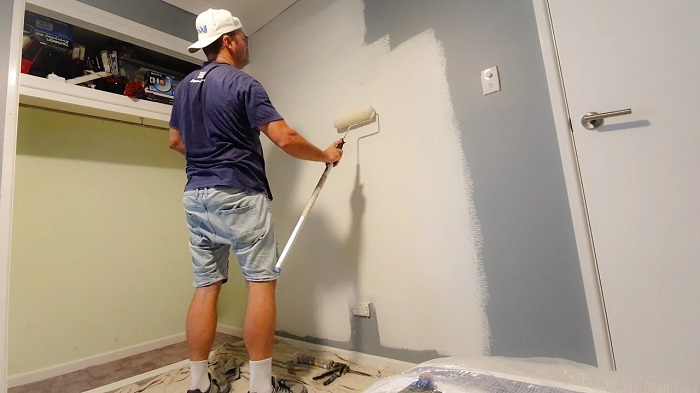
Painting drywall requires careful preparation: the material itself is smooth, but seams, screws, and the porous surface easily reveal imperfections after paint application. To ensure a consistent finish across all areas and prevent blotches, it’s important to follow the correct work sequence.
The key to a high-quality result is proper filling, sanding, and priming, as well as choosing the right paint for the room conditions. This approach is also applicable to complex areas, such as basement painting Calgary, where wear resistance and coating stability are crucial.
Paint Selection and Application Technique
The right paint not only determines the color but also determines washability, vapor permeability, and appearance (matte, satin-matte, or semi-gloss). The higher the gloss, the more visible minor surface defects are.
Which paint is best for drywall?
- Water-based/latex paint – easy to work with, dries quickly, suitable for most rooms.
- Washable acrylic paint – a good choice for hallways and children’s rooms, where abrasion resistance is important.
- For the kitchen and bathroom – compounds with increased moisture resistance and anti-mold additives (with normal room ventilation).
How to paint to avoid streaks and stains?
- Protect surfaces with masking tape and film, ensure even lighting.
- First, paint corners and joints with a brush, then the main area with a roller.
- Use a roller with a suitable nap (usually 8-12 mm for walls) and apply a “wet edge” to the paint, preventing it from drying.
- Apply 2 coats (sometimes 3 for rich colors), allowing time for drying between coats.
- Make the final passes with the roller in one direction for a uniform texture.
Common Mistakes and How to Avoid Them
- Painting without a continuous filler results in differences in absorption and a “map” of stains; solution: apply a finishing coat over the entire surface.
- No primer results in increased paint consumption and poor adhesion; solution: apply primer after sanding and dust removal.
- Pressing too hard on the roller results in runs and “bald” spots; Solution: Apply paint evenly and roll without pressure.
- Stopping too quickly results in visible joints; solution: plan the entire wall and maintain a “wet edge.”
Basic rule: a smooth, prepared surface, primer, and two even coats of paint produce a predictable color, consistent gloss, and a neat appearance for drywall walls and ceilings.
Choosing paint for room conditions: humidity, load, lighting
Drywall paint should be selected not “by color,” but based on the operating conditions: humidity level, expected mechanical load, and lighting conditions. The same surface in a bedroom and a hallway requires coatings with different durability and washability.
An optimal choice reduces the risk of stains, streaks, cracks, and premature abrasion, and also helps achieve an even shade without emphasizing seams and unevenness. Consider the type of binder (acrylic/latex), wet abrasion class, gloss level, and moisture resistance.
Practical Selection Guidelines
- Wet areas (bathrooms, toilets, kitchens): Choose moisture-resistant acrylic-latex paints labeled “for wet areas” and highly washable. In areas of regular direct contact with water (showers, splashbacks), paint should not be used as the sole protection: moisture protection for the substrate and/or tiles is required.
- Heavy-duty areas (hallways, entryways, children’s rooms, offices): Washable paints with increased wear resistance (high wet abrasion resistance class) are preferred. They are less likely to “polish” from touch and tolerate spot cleaning better.
- Low traffic (bedroom, living room): High-quality acrylic water-based paints are suitable; the emphasis is on opacity and color uniformity.
- Lighting and gloss level: In bright side light (windows, spotlights along the wall), matte finishes better conceal minor defects; the higher the gloss, the more visible seams, “waves,” and spatula marks. Semi-matte and satin finishes often strike a balance between practicality and concealing uneven surfaces.
- Color and light: Rich and dark shades more clearly reveal texture variations and require more careful preparation and, as a rule, more coats. The same color can look different under cool/warm lighting – check the paint sample on-site.
- Compare the room with the risks: moisture, dirt, touch, sun/backlight.
- Choose a composition: for humidity – moisture-resistant acrylic/latex; for loads – the most wear-resistant.
- Determine the sheen: the more difficult the lighting and the poorer the wall geometry, the more matte the finish.
- Do a test paint sample: evaluate the color and texture in daylight and artificial light.
Summary: for drywall, the combination of “room conditions + coating durability + the correct sheen finish” is important. Humidity requirements uses water-resistant, washable paint; high loads require maximum wear resistance; complex lighting requires a more matte finish and particularly careful surface preparation.
Hello!! My name is Jeanine
I love to eat, travel, and eat some more! I am married to the man of my dreams and have a beautiful little girl whose smiles can brighten anyone’s day!