




Peculiarities of organizing a business in virtual reality games
The virtual reality industry is rapidly developing and is becoming one of the most promising areas in entertainment. Fully immersive games attract both young and mature audiences, opening up vast opportunities for entrepreneurs.
However, launching a business in this field requires not only investment but also a competent approach to organizing all processes.
Business Concept and Format
The first step is choosing a format. A VR business can be implemented as a game room, a full-fledged virtual reality club, a mobile event platform, or even a franchise. It is important to define the target audience. For example:
- children;
- teenagers;
- corporate clients;
- general audience.
This determines the selection of equipment, games, and even the design of the space.
Formats with multiple gaming zones, where several people can play simultaneously, are popular. This increases profitability and makes the business more scalable.
Equipment Selection
A key element is the business VR entertainment. It includes virtual reality headsets, controllers, powerful computers, and motion tracking systems. The quality of the equipment directly impacts the customer experience, so skimping on it is not recommended.
Important considerations:
- device performance and reliability
- user friendliness
- software compatibility
It’s also worth considering regular equipment upgrades, as technology in this field quickly becomes outdated.
A good location plays a crucial role. The most advantageous locations are those with high pedestrian traffic:
- shopping centers;
- entertainment complexes;
- city centers.
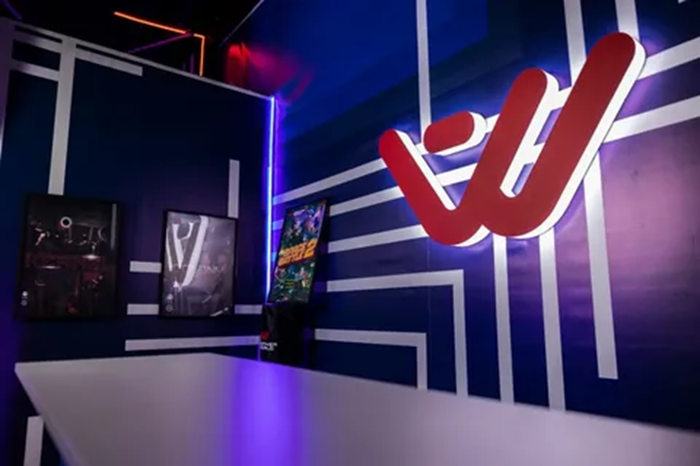
The interior should be consistent with the virtual reality theme—modern, technologically advanced, with elements of futuristic design. This enhances the experience and makes the visit more memorable. Friendly and competent staff enhances service and contributes to a positive image. Promoting a VR business requires a comprehensive approach. Customer reviews and visual content, such as photos and videos of gameplay, are particularly effective. The main costs are related to purchasing equipment, renting a space, and marketing. Income is generated through hourly rates, sales of service packages and additional services.
Hello!! My name is Jeanine
I love to eat, travel, and eat some more! I am married to the man of my dreams and have a beautiful little girl whose smiles can brighten anyone’s day!